About House of Worktops
To begin with the most important - we are a family-run business founded on our family values and principles. Secondly, we are passionate about what we do! We are the UK’s only end-to-end worktop retailer. From the sourcing of the timber, to the electricity, to the production of the worktops. We are everywhere. What sets us apart? Our family values and our passion for quality and customer service!
UK’s best quality & value worktops
We have been in the timber industry since 2019. So, we know our wood, we know our Wooden Worktops and we know our quality. We are confident in saying that we sell high-quality Worktops, perfect for your kitchen and other rooms. We offer Beech, Walnut, Iroko and Oak Worktops - each with it’s own unique character and benefits. Sourced from our own forest areas in the Balkans, providing exceptionally at a great price.
What we believe in
There are three values inherent to everything we do:

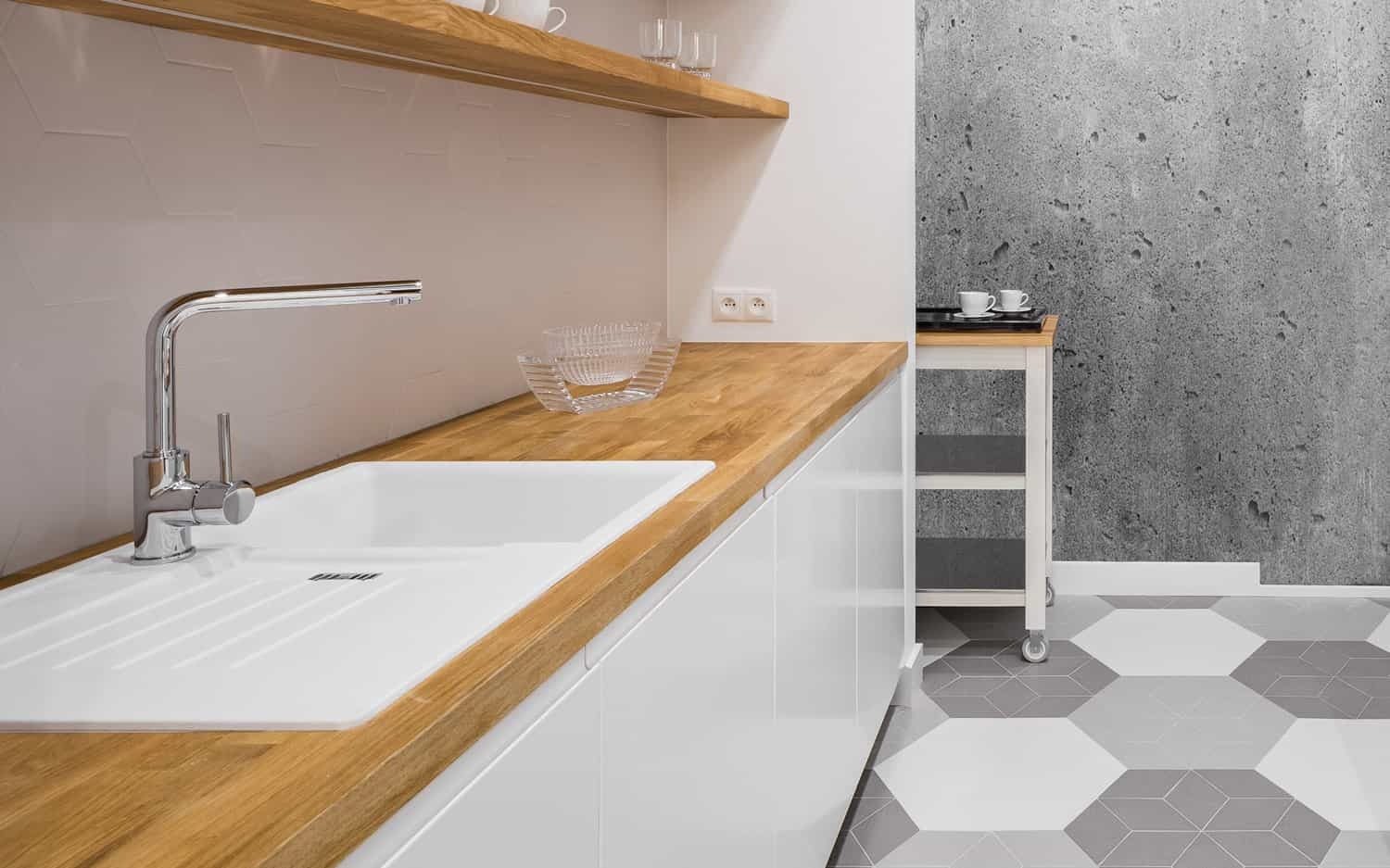
Inset sink with a built-in drainer will help protect the time from contact with water. Never put a hot pan or tray directly onto a wooden worktop – always use a trivet. Clean your surface with warm water, washing-up liquid and a soft cloth is all you need. Avoid using any abrasive and chemical-filled cleaning products and wire scouring pads.
The oiling instructions have been written in view that Rustin’s Danish Oil will be used.
Before you get on with the oiling ensure that the wood worktop surface is completely dry and clean. Also note that worktops usually come with two faces, the top side is the A- quality and the bottom side is the B – quality. The A-face has to be oiled with 4-5 coats in order to form a protective barrier against physical damage and water resistance, while the bottom face only requires 2-3 coats. Allow a drying time for each coating between 6-8 hours.
Once the worktop has been fitted, one final coating has to be applied to the face side, but before that make sure that the surface of the worktop is lightly sanded and all the dust is removed. Thereafter spread the oil on the entire area and allow a resting time of one hour, while making sure that the surface has not dried out and has oil on it at all times.
After 30 minutes wipe off all excess to leave an even touch dry finish . Allow to dry overnight before repeating.
If you varnished your wooden worktop, to get the best finishing consider sanding and oiling it. Not only does the oil give your worktop a natural look, but it also seals the surface and provides better water resistance and protection.
Following just a few simple rules will help you get the best out of your solid wood worktop. Our recommend ons are as follows:
Be sure to mop up any spillages immediately with a clean dry cloth. Liquids should not be allowed to pool on the surface or stand for a length of me.
Do not cut directly onto the worktop. Please place a chopping board or butcher’s block on top of the worktop surface for this purpose.
Do not place hot, wet or dirty pots and pans straight onto the worktop. The worktop needs extra protect on against such items; stainless steel hotrods are the perfect add on for this purpose and can be purchased alongside your worktop. In fact, most metal vessels (such as n/aluminium cans, iron, copper, or steel containers) can stain the amber and as such contact between the two should be avoided.
Wipe worktops down regularly with a damp (not wet), lint-free cloth, warm water and a small amount of soap. We do not recommend using multi-purpose cleaning products which contain chemicals as this may damage the worktops. Please also avoid the use of scouring pads. If a scouring pad is used, the worktop may need to be re-oiled afterwards.
To maintain the new quality of your solid wood worktop, be sure to oil regularly. Wood is a natural material and a proper course of oil treatment is essential to ensure a long and trouble-free life.
In the first few weeks of use, special care must be taken to prevent the worktops becoming stained before they have built up sufficient oil protection. In particular water must not be allowed to lie on the surface.
When the surface has a sheen, and water “beads” or forms into droplets, you can tell that the worktop is in good condition. When the surface is dull and droplets don’t form, you need to re-oil the worktop. Ideally, you should re-oil the surface before it quite gets to that stage.
New worktops will require treating frequently to build up their protection. However, as the protective layer builds up they will gradually require oiling less o en. The environment in which it is used and the amount of wear and tear a surface receives will affect how often a worktop needs oiling. However, we would recommend regular re-oiling at least every three months.
The great news is that any scratches or stains can be sanded out to restore your worktops to their original glory. Start with 100grit sandpaper and build up to 150grit (no finer, otherwise oil won’t penetrate properly). An inset sink with a built-in drainer will help protect the time from contact with water. Never put a hot pan or tray directly onto a wooden worktop – always use a trivet. Clean your surface with warm water, washing-up liquid and a soft cloth is all you need. Avoid using any abrasive and chemical-filled cleaning products and wire scouring pads.